

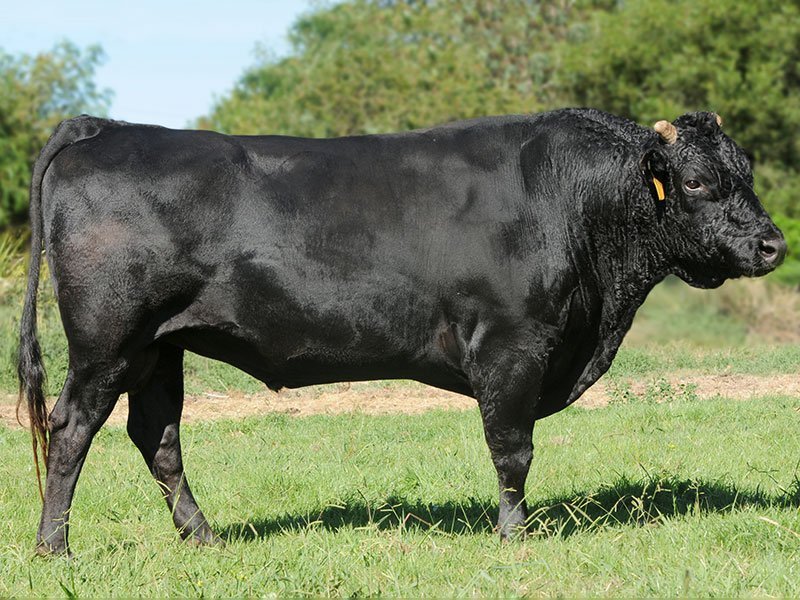
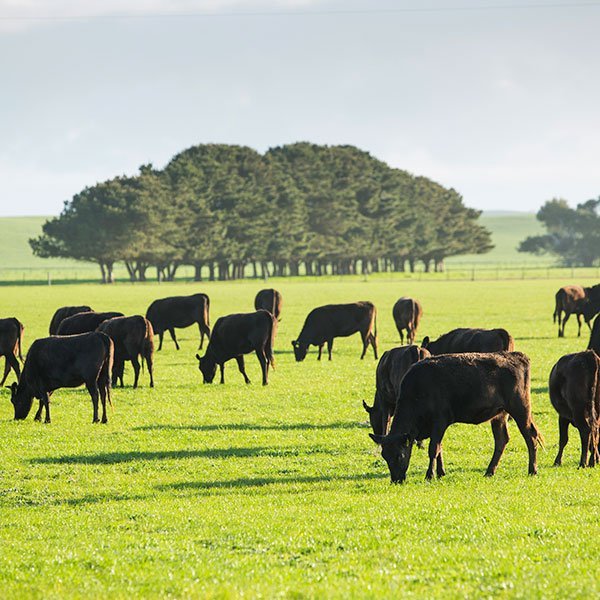
During the recent Australian Wagyu Association conference in Perth, I sat down for a brief chat with Scott de Bruin, Managing director of the De Bruin Group, which includes multi-award winning Mayura Station, home to one of the largest privately owned full-blood Wagyu cattle operations in Australia.
Scott is also CEO and Chairman of de Bruin Securities and a previous President and Chairman of the Australian Wagyu Association. On the final night of the conference, he was presented with the prestigious Honorary Life Membership Award by the Association.
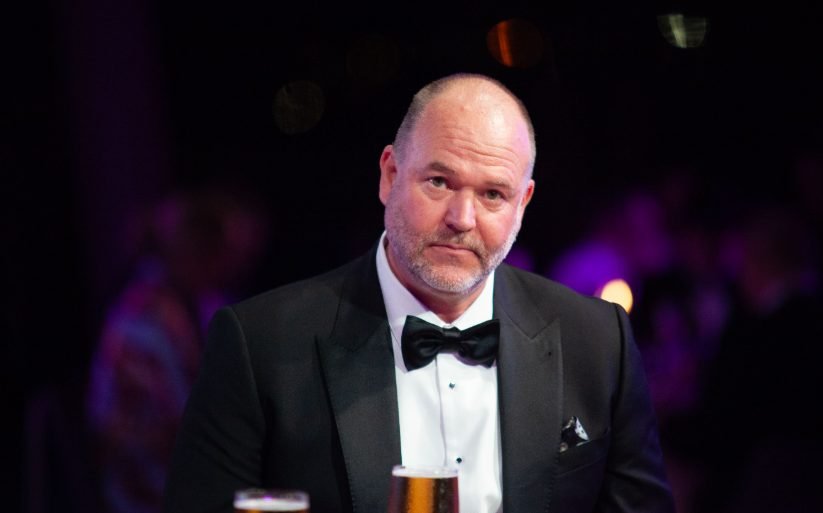
ME: You’ve been involved with wgayu for a long time. How did you get started?
SdB: My history with the wagyu breed goes back nearly three decades. Our family was involved in importing some of the first live Wagyu cattle into Australia, and I’ve always had a vision to be involved in the food service sector of the market rather than just livestock and genetics.
Back in 1998 I started grain-feeding a small number of cattle, and basically hit the road selling Wagyu. I was one of the pioneers and sold the first food-blood Wagyu steak in Australia. It’s a long history from there, but now we export all around the globe.
ME: What are the biggest export markets for wagyu?
SdB: We export mainly into Southeast Asia. China is a big market for us but there’s also Singapore, Hong Kong, Thailand, Taiwan, Philippines and Malaysia. We do some trade in the Middle East with Dubai and Saudi Arabia. We started supplying to the US for the second time last year, but our major market is in Australia. We supply to somewhere between two-and-a-half and three thousand restaurants.
SdB: When you go to most restaurants these days, especially on the East Coast, you will see Wagyu on the menu. I started supplying Friends (restaurant) in Perth many years ago, they were good supporters but the only people we were supplying at the time. We now supply 6HEAD, Pezzano Enterprises, Pirate Life and Nobu in Crown. The major trade is in Melbourne and Sydney.
We have a restaurant on the farm, The Tasting Room, which I call Australia’s first beef cellar door. The terminology is for a winery, but people understand what it is. The restaurant has won Australia’s number-one steak restaurant twice and best steak restaurant in South Australia six or seven times. We’re not allowed to enter that competition anymore!
ME: Have diners finally accepted the cost?
SdB: When I first started selling Wagyu, people were afraid to charge more than $30 for a main course. This would have been 25 years ago, but people then would spend the equivalent of $100, 150, on a bottle of wine. But $30 on a main course? You’ve got to be kidding me. So it’s been a big cultural change.
Obviously, not everyone can afford to do these things. So it’s either a treat-me event, or maybe a birthday or special occasion. I think COVID really changed that globally, because of course we weren’t able to go out and eat. Then all of a sudden it was…I want to try something, I want to treat myself, I want to try something unique. There was an extra exposure to Wagyu, and I think that really helped because people actually tried it. Previously it was all black Amex’s and merchant bankers.
ME: Is eating Wagyu still a novelty, or do most diners know what to expect?
SdB: I think for most people, it’s a beef eating experience they’ve never had before. it’s consistently tender. The flavour profiles are diverse depending on where it’s raised, because the provenance does influence the flavour of the product, What they get fed and genetics all influences the product, so there’s still great variances. But when you compare that to what we’re used to eating, the general quality of beef in Australia since Wagyu has come along has increased so much. It’s markedly different. Back in the early days, we were very much a producer of what we call “manufacturing meat”.
ME: Are the differences between products going to make it harder for Wagyu to hit the consumer mainstream?
SdB: It’s not always just high-end premium dining. From a carcas you have trimmings you can use to produce a burger patty. We do about 10 tons of burgers a week. In South Australia, we have a large European and German influence so we also sell a lot of beef schnitzels.
ME: Good luck in tonight’s awards. Do you have any expectations?
SdB: Mayura is the most successful brand to date in the Australian Wagyu Association Branded Beef awards. We’ve been Grand Champion three times, no one else has ever done that. I think it’s the hardest competition to win, it’s all blind taste testing. I’ve never sat as a judge but I’d love to just for the experience. Winning for the first time launches your brand, especially, if you don’t already have a big name.
(Images : supplied / De Bruin Group)


Add comment